The health and aesthetic appearance of the skin and hair depend on a complex balance of cellular regeneration, hydration, tissue nourishment, proper follicular function, antioxidant protection, and inflammation control. With advancing age, oxidative stress, environmental pollution, ultraviolet (UV) radiation, poor nutrition, and hormonal imbalances, this balance is gradually disrupted, leading to visible signs such as reduced skin radiance, fine lines, loss of firmness, dryness, dullness, hair loss, and thinning of hair shafts. Under these conditions, the use of specialized regenerative compounds can contribute to improving the overall quality of the skin and hair.
PDRN (Polydeoxyribonucleotide) refers to a highly purified fraction of DNA fragments, typically derived from salmon, with a defined molecular weight and high degree of purity. It has gained a prominent position in regenerative medicine and aesthetic medicine due to its tissue-repairing and regenerative properties. Rather than providing only superficial hydration or temporary cosmetic improvements, PDRN is designed to support the body’s intrinsic cellular repair and tissue regeneration processes.
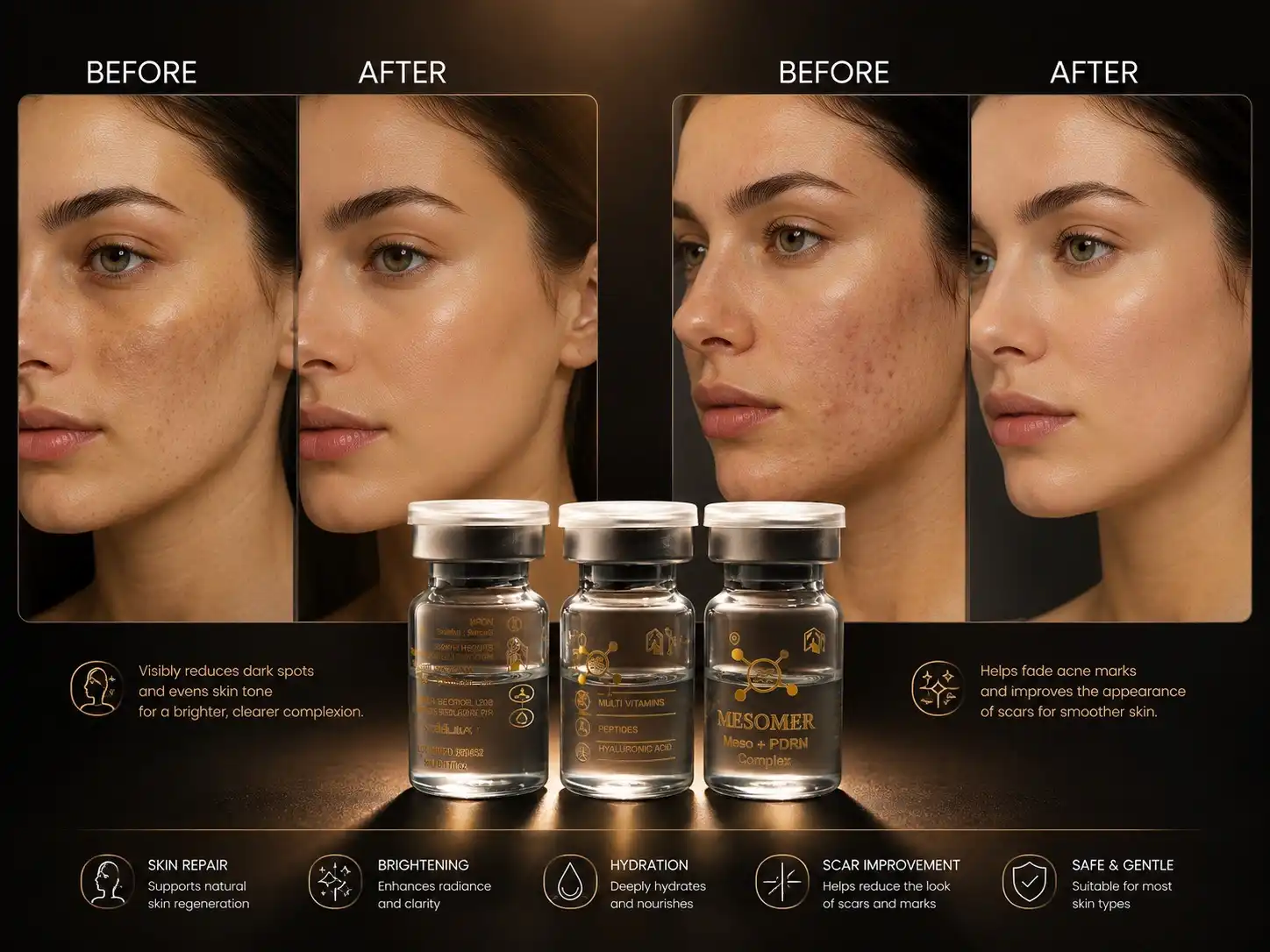
PDRN exerts its biological effects through multiple mechanisms. It contributes to the stimulation of cellular regeneration while creating a favorable microenvironment for the repair of damaged tissues. Furthermore, by supporting fibroblast activity, PDRN promotes the synthesis of key structural components of the skin, including collagen and elastin. Collectively, these biological processes may result in improved skin firmness, enhanced softness, increased radiance, and a noticeable reduction in the appearance of tired and dull-looking skin.
One of the most significant characteristics of PDRN is its ability to support tissue quality and facilitate the regenerative process in skin subjected to physiological or environmental stress. Consequently, PDRN has become an important component of regenerative and rejuvenation protocols for compromised, weakened, dehydrated, or aging skin with diminished tissue quality. In scalp treatment protocols, PDRN may also contribute to improving the condition of the follicular microenvironment and enhancing overall tissue quality.
In hair restoration, the primary value of PDRN lies in optimizing the scalp environment and indirectly supporting hair follicle function. When the scalp demonstrates reduced inflammation, improved nutritional support, enhanced oxygenation, and healthier tissue quality, the biological environment becomes more favorable for optimal follicular activity. For this reason, PDRN has emerged as an important regenerative and supportive component in modern skin and hair care strategies.
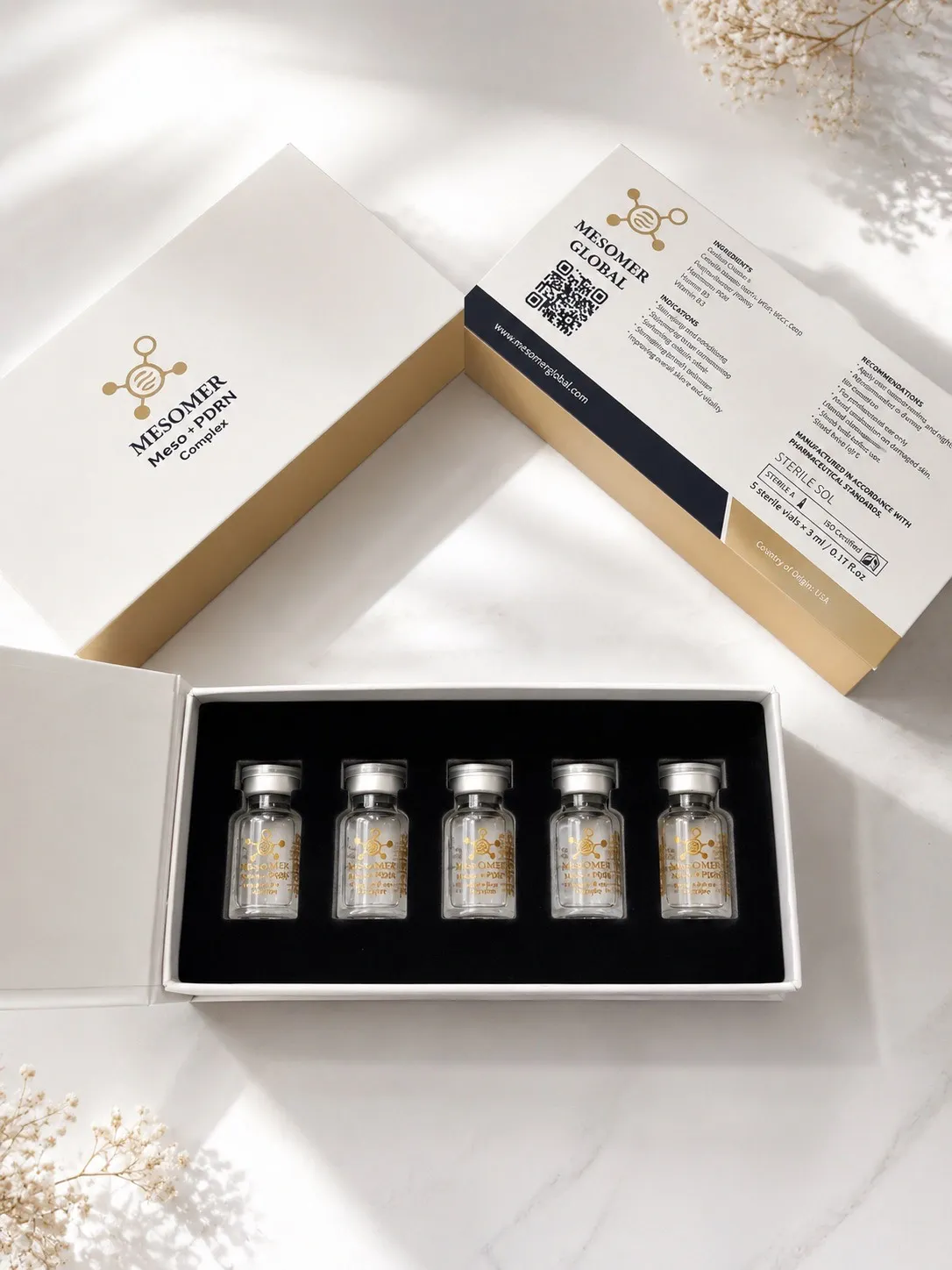
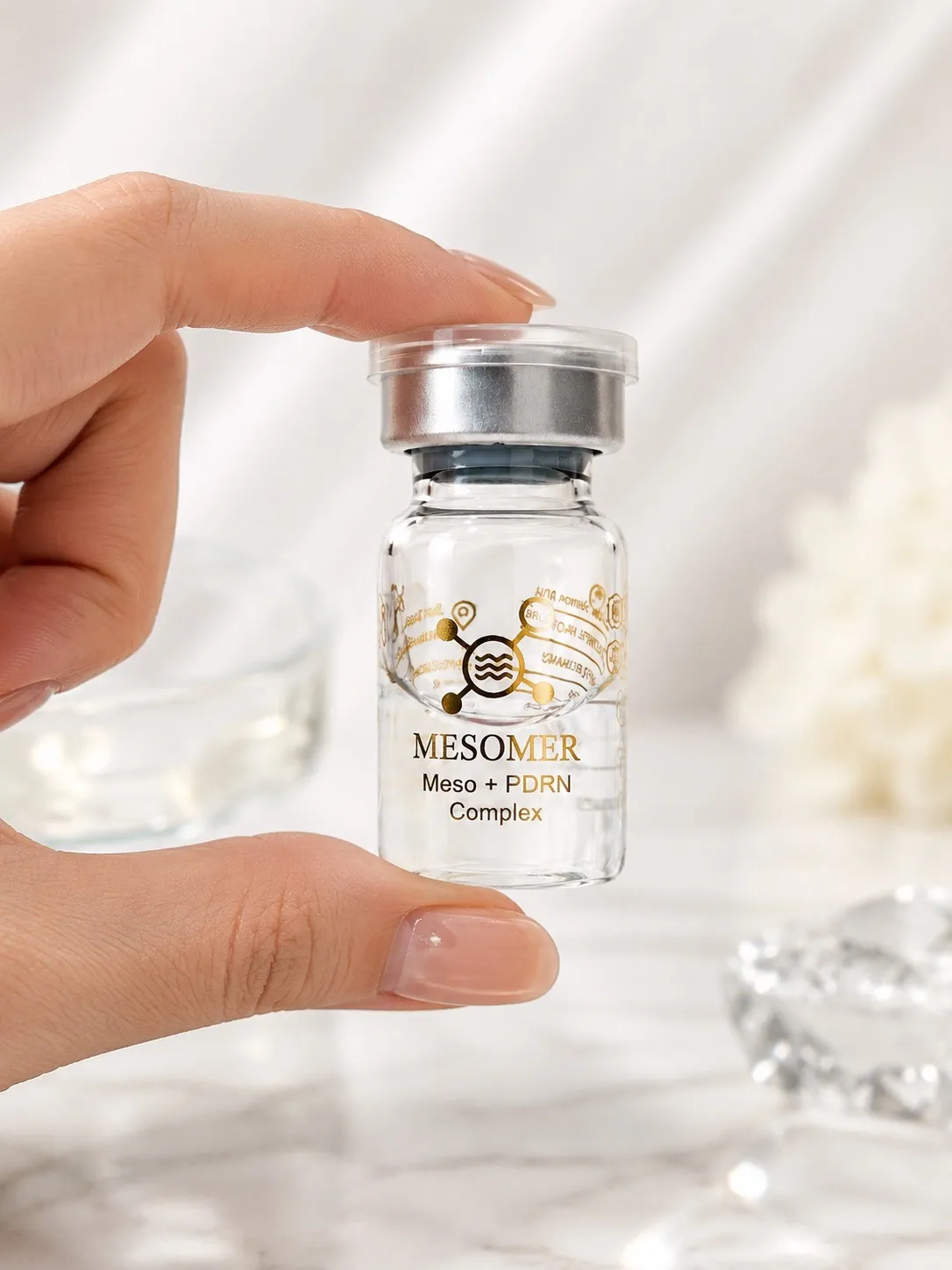
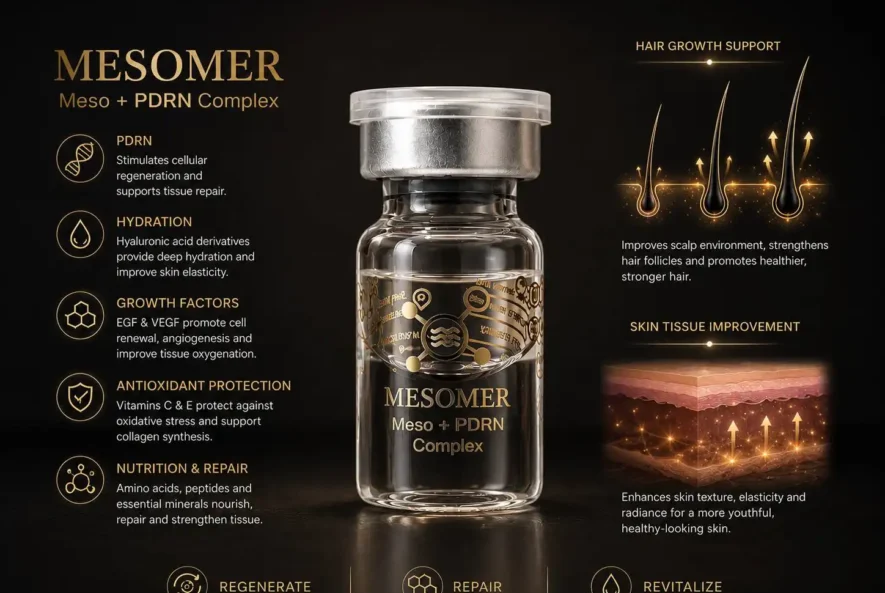
MESOMER Meso + PDRN Complex
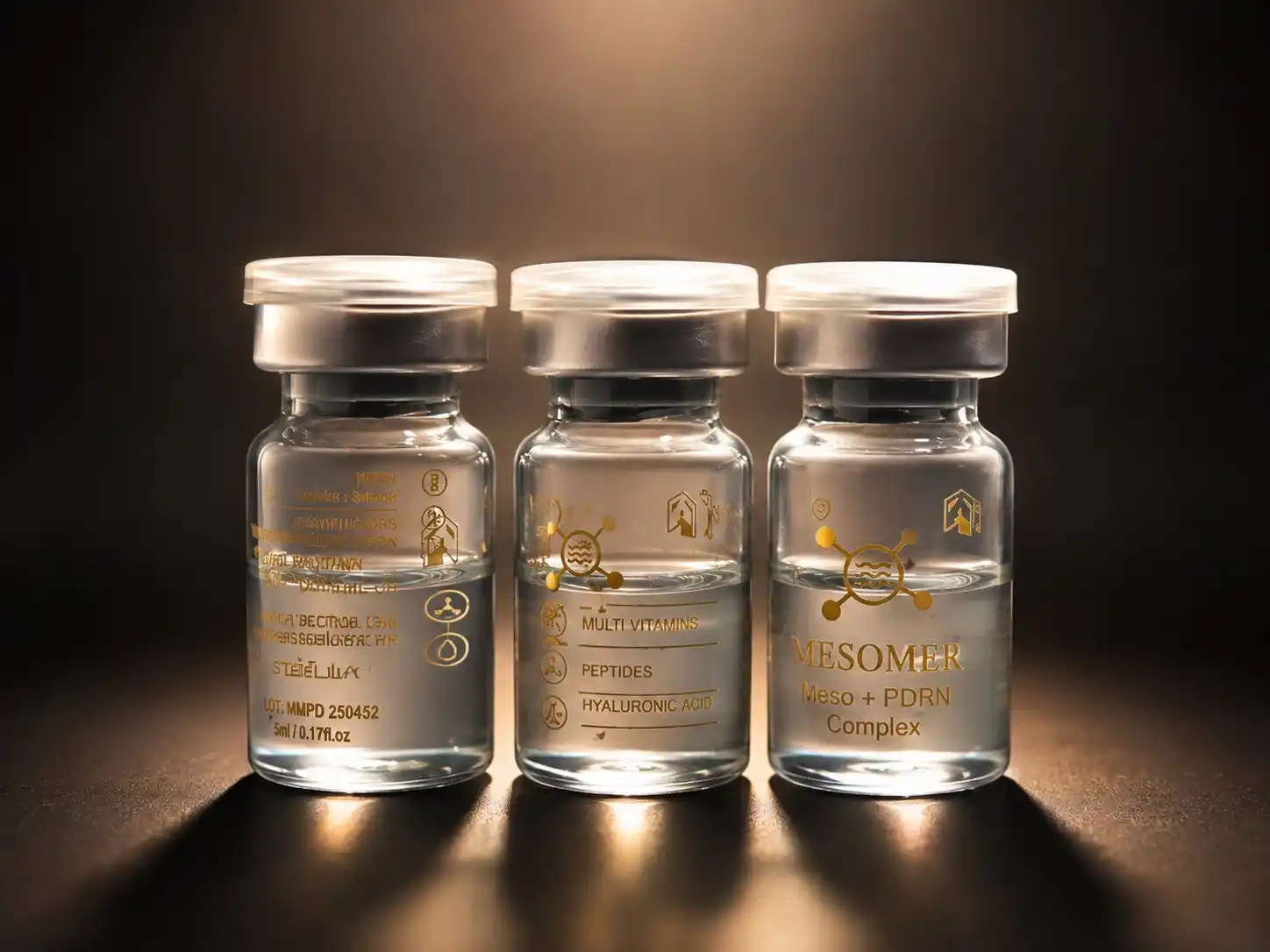
MESOMER Meso + PDRN Complex is an advanced, multidimensional formulation developed to support the health and vitality of both the skin and hair. This formulation combines the regenerative properties of PDRN with a carefully selected blend of complementary bioactive ingredients, extending its benefits beyond a single mechanism of action. The underlying philosophy of this formulation is based on the synergistic enhancement of cellular regeneration, tissue hydration, nutritional support, skin barrier reinforcement, antioxidant protection, and the optimization of skin and scalp function.
Within this formulation, PDRN serves as the principal regenerative component, playing a central role in tissue repair and cellular renewal, while the accompanying ingredients complement and potentiate its biological activity. The inclusion of hyaluronic acid and its derivatives contributes to deep tissue hydration, improved skin softness and elasticity, reduction in the appearance of superficial fine lines, and the creation of an optimal extracellular environment for cellular function. These properties are particularly valuable for dry, dehydrated, and moisture-deficient skin.
One of the most remarkable characteristics of next-generation regenerative formulations is the incorporation of growth factors, which function as essential biological signaling molecules involved in tissue repair and regeneration. Epidermal Growth Factor (EGF) plays a pivotal role by stimulating cellular proliferation and promoting keratinocyte renewal. Consequently, it contributes to the regeneration of the epidermis, accelerates wound healing, reduces the appearance of wrinkles, and significantly improves overall skin texture and firmness.
Complementing this activity, Vascular Endothelial Growth Factor (VEGF) supports angiogenesis and enhances local microcirculation, thereby improving oxygen delivery and nutrient supply to the treated tissues. The synergistic interaction between EGF and VEGF is particularly beneficial for both skin and scalp applications. In the scalp, this combination helps optimize the follicular microenvironment and supports healthier hair follicles. In facial skin, it contributes to enhanced radiance, a more youthful appearance, and the biological rejuvenation of aging or damaged tissues.
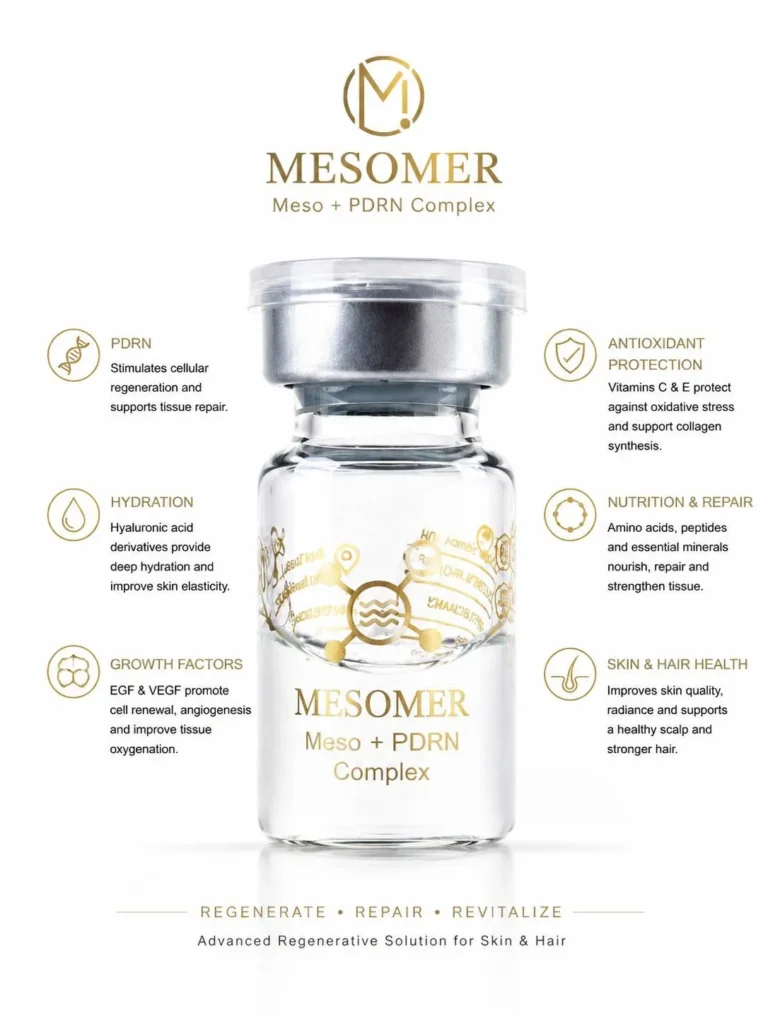
Vitamins also play a fundamental role in advanced regenerative formulations. Vitamin C, owing to its potent antioxidant properties and its essential role in collagen biosynthesis, contributes to brighter, healthier, and more vibrant skin. B-complex vitamins, particularly those involved in cellular metabolism, are essential for maintaining healthy scalp tissue and supporting optimal hair follicle function. Vitamin E, through its antioxidant and cytoprotective properties, helps protect tissues against oxidative stress and environmental damage.
The presence of amino acids within the MESOMER formulation provides the fundamental building blocks required for protein synthesis, thereby supporting tissue repair, regeneration, and the maintenance of healthy skin and hair quality.
Peptides represent another valuable class of bioactive compounds incorporated into advanced skin and hair formulations. These small yet highly functional molecules act as biological signaling agents, directing cells toward enhanced regeneration, tissue repair, and increased synthesis of structural proteins such as collagen and elastin. In addition, minerals and essential cofactors—including zinc, copper, magnesium, and selenium, when present in the formulation—may contribute to normal cellular function, antioxidant defense mechanisms, and the maintenance of healthy hair follicles.
Clinical Applications and Benefits of MESOMER Meso + PDRN Complex
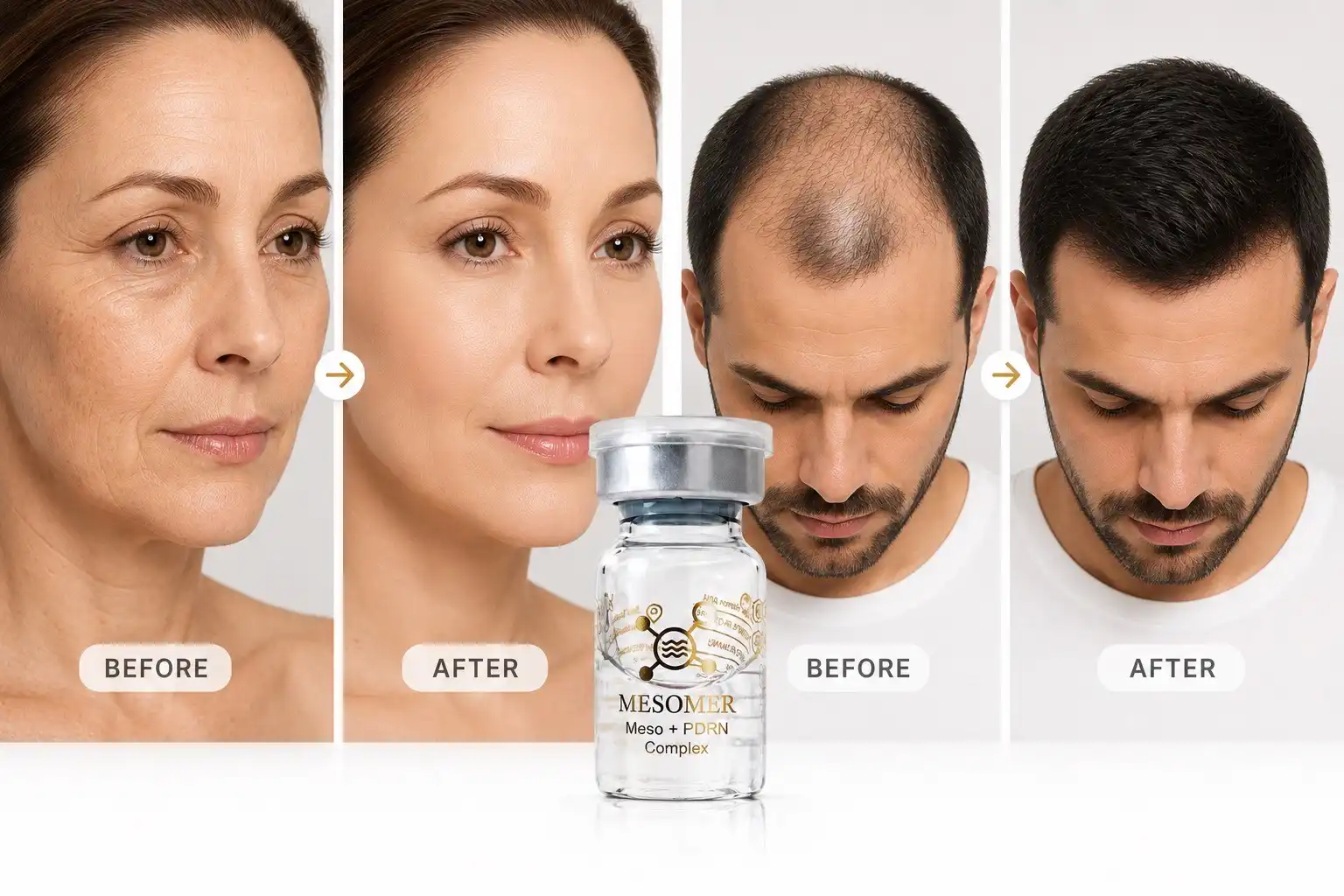
MESOMER Meso + PDRN Complex may be considered an appropriate option for individuals presenting with dull, fatigued skin, reduced firmness, dehydration, loss of radiance, or early signs of skin aging. By focusing on tissue regeneration and biological nourishment, this formulation may contribute to improving the overall appearance of the skin while enhancing its freshness, vitality, and healthy complexion.
In addition to facial skin applications, the formulation may also provide benefits for the scalp by improving the quality of the follicular microenvironment and supporting overall hair health.
In hair care applications, MESOMER Meso + PDRN Complex may be incorporated into a comprehensive scalp treatment protocol aimed at supporting the scalp and hair follicles. Thin, weakened, or nutritionally compromised hair generally requires a healthier tissue environment to facilitate improved follicular function, stronger hair shafts, and optimal growth conditions. By promoting tissue quality and improving the biological environment surrounding the follicles, this formulation may help support healthier, stronger, and more resilient hair.
One of the principal advantages of MESOMER Meso + PDRN Complex is its multidimensional mechanism of action. Rather than targeting a single biological pathway, the formulation simultaneously addresses several fundamental requirements of both skin and hair tissues. This integrated approach may promote tissue regeneration, improve hydration, enhance nutritional support, strengthen antioxidant defense mechanisms, and ultimately improve overall tissue quality. Consequently, the product represents a next-generation regenerative formulation for professional skin rejuvenation and specialized hair care.
As one of the most extensively recognized regenerative biomolecules in modern regenerative and aesthetic medicine, PDRN has established its role in tissue repair and rejuvenation protocols. When combined with complementary and synergistic bioactive ingredients, as demonstrated in MESOMER Meso + PDRN Complex, it offers a comprehensive strategy for supporting skin and hair health. This multidimensional approach provides a modern solution for addressing the complex biological requirements of cutaneous and follicular tissues and may serve as an important component of advanced professional aesthetic treatment protocols.
Note: The clinical outcomes associated with this product may vary depending on individual patient characteristics, skin and hair type, the underlying cause of the condition being treated, and the treatment protocol employed. This product should be administered only after professional evaluation and according to the specific clinical needs of each individual.
Treatment Protocol and Directions for Use
Dosage and Administration
The volume of MESOMER Meso + PDRN Complex to be administered should be determined by the treating healthcare professional according to the extent of the treatment area and the individual patient’s tissue requirements. The following recommendations represent standard treatment guidelines:
- Face and Neck: An average of 3–5 mL (1–2 vials) per treatment session.
- Scalp (Hair Mesotherapy/Hair Filler): An average of 4–5 mL to adequately cover the entire treatment area.
Administration Techniques
Depending on the physician’s clinical assessment and therapeutic objectives, the product may be administered using one of the following techniques:
- Nappage technique (superficial microinjections)
- Papule technique (intradermal point-by-point injections)
- Assisted delivery using medical devices such as microneedling systems or mesogun injectors
The selection of the injection technique should be based on the treatment indication, anatomical site, and the patient’s individual clinical condition.
Treatment Schedule
To achieve optimal biological activity and initiate the regenerative processes promoted by MESOMER Meso + PDRN Complex, the following treatment protocol is recommended:
Intensive Treatment Phase
- 3–5 treatment sessions, performed at 15–20-day intervals (approximately every 2–3 weeks).
Maintenance Phase
- One to three maintenance sessions every 3–6 months, depending on the patient’s age, tissue condition, and clinical response.
Clinical Note: Initial improvements in skin quality, hydration, and radiance are commonly observed after the second treatment session. However, the deeper biological remodeling processes, including collagen regeneration stimulated by the MESOMER formulation, generally become more evident from the third session onward.
Contraindications
The use of MESOMER Meso + PDRN Complex is contraindicated under the following conditions:
- Known hypersensitivity to any component of the formulation, particularly ingredients derived from DNA or protein-based biological materials.
- Pregnancy or breastfeeding, due to the lack of sufficient clinical safety data in these populations.
- Active infection, severe inflammation, or open wounds at the intended injection site.
- Patients with active autoimmune diseases or those receiving systemic immunomodulatory therapy.
- Individuals with coagulation disorders or those undergoing treatment with potent anticoagulant medications.
- Patients with a history of keloid formation or abnormal scar development.
Post-Treatment Care
To optimize treatment outcomes and minimize the risk of adverse reactions, the following post-procedure recommendations should be observed:
- Avoid washing the treated area, applying makeup, or using cosmetic products containing potentially irritating chemical ingredients for 24 hours after treatment.
- Refrain from intense physical exercise, sauna use, swimming pools, and exposure to excessive heat for 48 hours following the procedure.
- Regular use of a broad-spectrum sunscreen and physician-recommended moisturizing products is strongly advised to support skin recovery and maintain treatment benefits.
Possible Adverse Effects
Common post-treatment reactions may include temporary erythema (redness), mild swelling, localized tenderness, or minor bruising at the injection sites. These reactions are generally mild, self-limiting, and typically resolve spontaneously within 24 to 72 hours without requiring medical intervention.