
- mesomer admin
- December 7, 2025
- Research
- 0 Comments
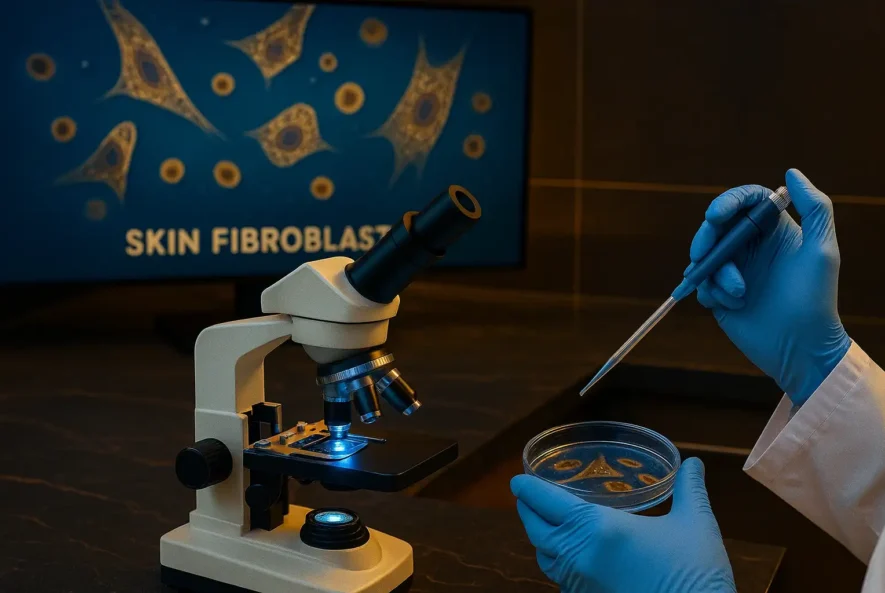
The Future of Dermal Regeneration: A Comparative Analysis of PDRN Mesotherapy and Advanced Biostimulators
Overview
As aesthetic science evolves, the industry is moving from temporary hydration-based skin treatments toward therapies that create true biological regeneration. Modern biostimulators such as Profhilo, Jalupro, and amino acid–HA complexes offer improvements in elasticity and hydration, but PDRN-based mesotherapy introduces a deeper regenerative mechanism capable of repairing tissue on a molecular level.
Why PDRN Represents the Next Step in Skin Regeneration
- Molecular-Level Activation
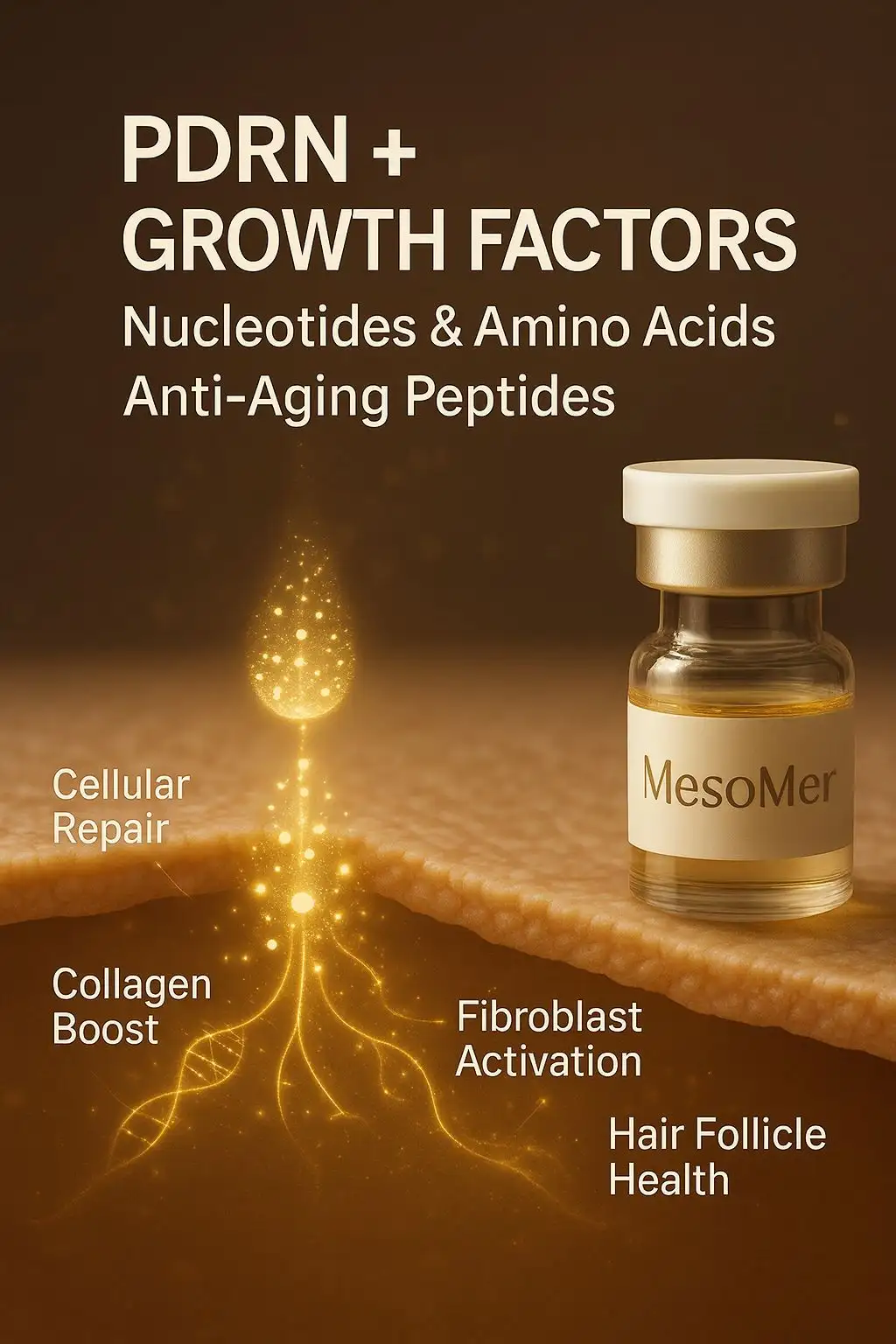
Unlike hyaluronic acid–based injectables that primarily boost moisture and stimulate fibroblasts, PDRN works through DNA signaling pathways. By activating adenosine A2A receptors, PDRN supports cellular renewal, collagen and elastin formation, and repair of damaged extracellular matrix. This is why PDRN is increasingly viewed as a regenerative therapy, not simply a skin booster.
- Regeneration Instead of Compensation
Traditional biostimulators improve the appearance of the skin by increasing hydration and providing temporary structural support. PDRN, however, promotes real tissue restoration. It reduces inflammation, enhances microcirculation, improves oxygenation of skin cells, and supports angiogenesis. These deeper biological effects help the skin recover from damage instead of only masking it.

- Synergistic Dermal Remodeling
PDRN enhances both fibroblast activity and vascular support, leading to stronger and healthier dermal architecture. Over time, this results in:
Thicker and denser skin
Smoother surface texture
Greater elasticity
Reduction in fine lines and scars
Long-lasting improvement in skin quality
Such layered and sustained regeneration is not typically achievable with HA-based biostimulators alone.
Comparison with Popular Biostimulators (in Text Format)
PDRN mesotherapy differentiates itself from products like Profhilo and Jalupro in several key ways.
While biostimulators mainly rely on hydrating the skin and mildly stimulating fibroblasts, PDRN activates deeper healing responses at both the cellular and molecular levels.
PDRN also provides stronger support for microvascular activity, improves circulation, and reduces inflammation—benefits that HA-based formulas offer only to a limited extent.
Most importantly, the results of PDRN arise from true tissue regeneration, leading to more durable and biologically meaningful improvements compared to the shorter-term effects of conventional skin boosters.
Conclusion
As aesthetic medicine progresses toward regenerative dermatology, PDRN stands out as a leading molecule that reshapes the future of skin rejuvenation.
By activating DNA repair pathways, rebuilding the extracellular matrix, and supporting microvascular networks, PDRN offers a deeper and more comprehensive transformation than traditional biostimulators.
PDRN mesotherapy represents the future—not just of rejuvenation, but of true dermal regeneration.